
VinFast’s Ecosystem Bet: Why EVs Need More Than Cars
Vietnamese automaker VinFast is betting on a full ecosystem of batteries, charging, and services to win India's electric vehicle race, not just the cars themselves.
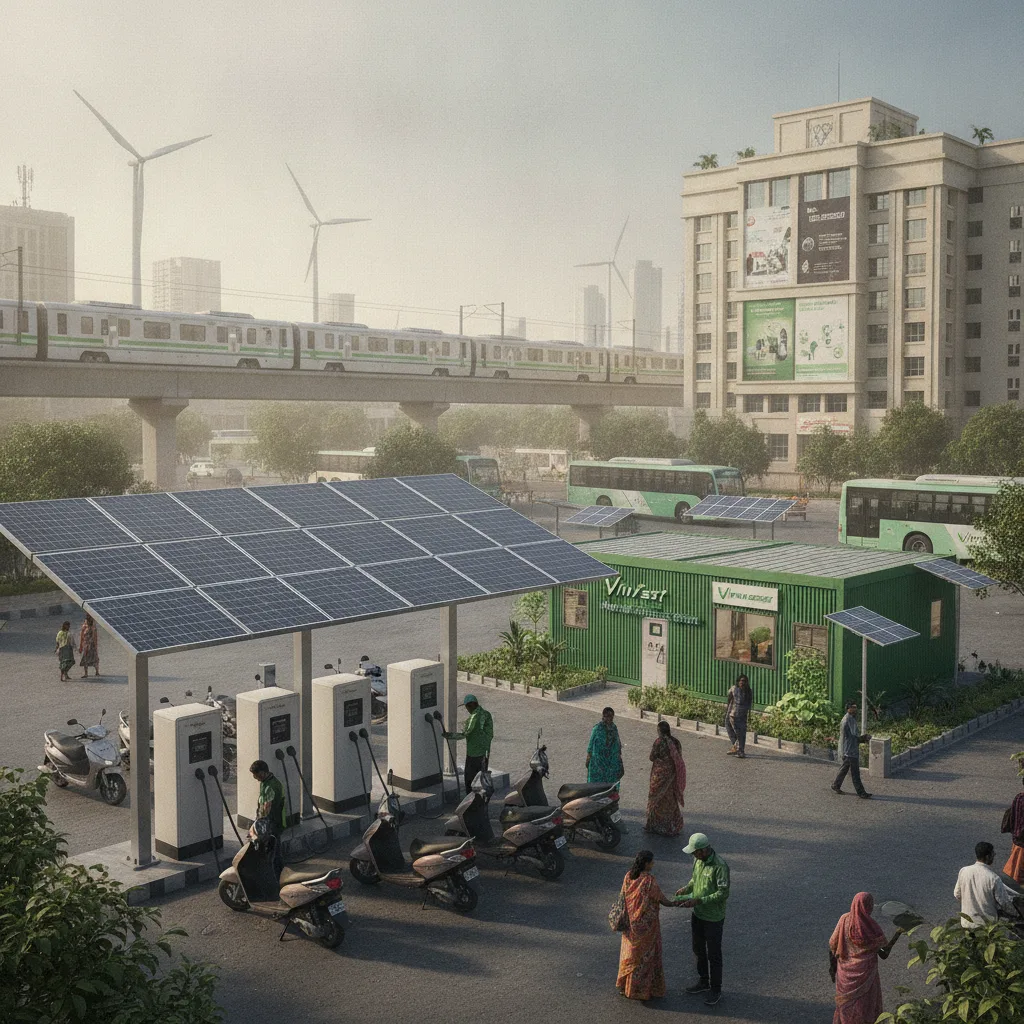
Vietnamese electric vehicle maker VinFast has a message for India: cars alone won't win the electric race. The company, which entered the Indian market last year, is building what it calls an EV ecosystem, a network of batteries, charging stations, financing, and after-sales services designed to keep customers locked in long after the sale.
"We are not just selling a vehicle," a VinFast spokesperson told Autopunditz. "We are selling a complete mobility solution."
That strategy marks a sharp break from traditional automakers, who typically hand over the car and walk away. VinFast wants to own the entire ownership experience, from the battery lease to the charging cable to the roadside assistance call.
Battery leasing is the core
The centerpiece of VinFast's ecosystem is its battery subscription model. Instead of buying the battery outright, customers pay a monthly fee to lease it. That lowers the upfront cost of the car, a big hurdle in price-sensitive India, and shifts the risk of battery degradation and replacement to the company.
VinFast has already launched this model in Vietnam, its home market, and plans to bring it to India. The company says it will set up a network of battery swap stations and charging points across major cities and highways.
"The battery is the most expensive part of an EV," said an industry analyst who tracks the Indian EV market. "If you can take that cost out of the purchase price, you make the car accessible to a much larger group of buyers."
VinFast has not disclosed exact pricing for its Indian battery subscription plans. But in Vietnam, the monthly fee ranges from $30 to $50, depending on the model and usage.
Charging network and service
A car is only as good as the infrastructure that supports it. VinFast says it will build a network of fast chargers along national highways and in urban centers. The company has partnered with local energy firms to set up the charging points, though it has not named those partners yet.
On the service side, VinFast plans to open company-owned showrooms and service centers in at least 10 Indian cities by the end of 2025. Each center will handle sales, repairs, and battery swaps. The company also offers a 10-year, 160,000-kilometer warranty on the vehicle body and a lifetime warranty on the battery for subscribers.
"That kind of warranty changes the math for a buyer," the analyst said. "It removes the fear of what happens if the battery fails after five years."
India's EV race heats up
VinFast enters a crowded field. Tata Motors dominates India's EV market with a 70% share, followed by MG Motor and Mahindra. Newer players like Ola Electric and Ather Energy focus on two-wheelers, while BYD and Hyundai push into the four-wheeler space.
What sets VinFast apart is its willingness to absorb battery risk. Tata sells the battery with the car. Ola and Ather offer battery leasing on some models, but not with the same scope as VinFast's planned network.
"VinFast is trying to copy the mobile phone model, sell the hardware cheap, make money on the service," the analyst said. "It worked for Apple. Whether it works for cars in India is the big question."
The company has not announced a launch date for its first Indian model. It has said it will start with a compact SUV, likely the VF 6 or VF 7, both of which are sold in Vietnam. Production will happen at a plant in Tamil Nadu, where VinFast has signed a memorandum of understanding with the state government.
VinFast's ecosystem strategy is not without risks. Building a charging network from scratch costs billions. Battery leasing ties up capital in assets that depreciate. And Indian buyers, used to owning their cars outright, may balk at a monthly fee for something they never own.
Still, the company is betting that the lower entry price and the peace of mind of a lifetime battery warranty will win over enough customers. "We are here for the long game," the spokesperson said. "Not just to sell cars, but to build trust."
Comments
Be the first to comment.
Leave a comment