
VinFast's Ecosystem Play Shows EV Race Needs More Than Just Cars
The Vietnamese automaker's strategy of bundling batteries, charging, and services highlights a shift in how India's electric vehicle market might take shape.
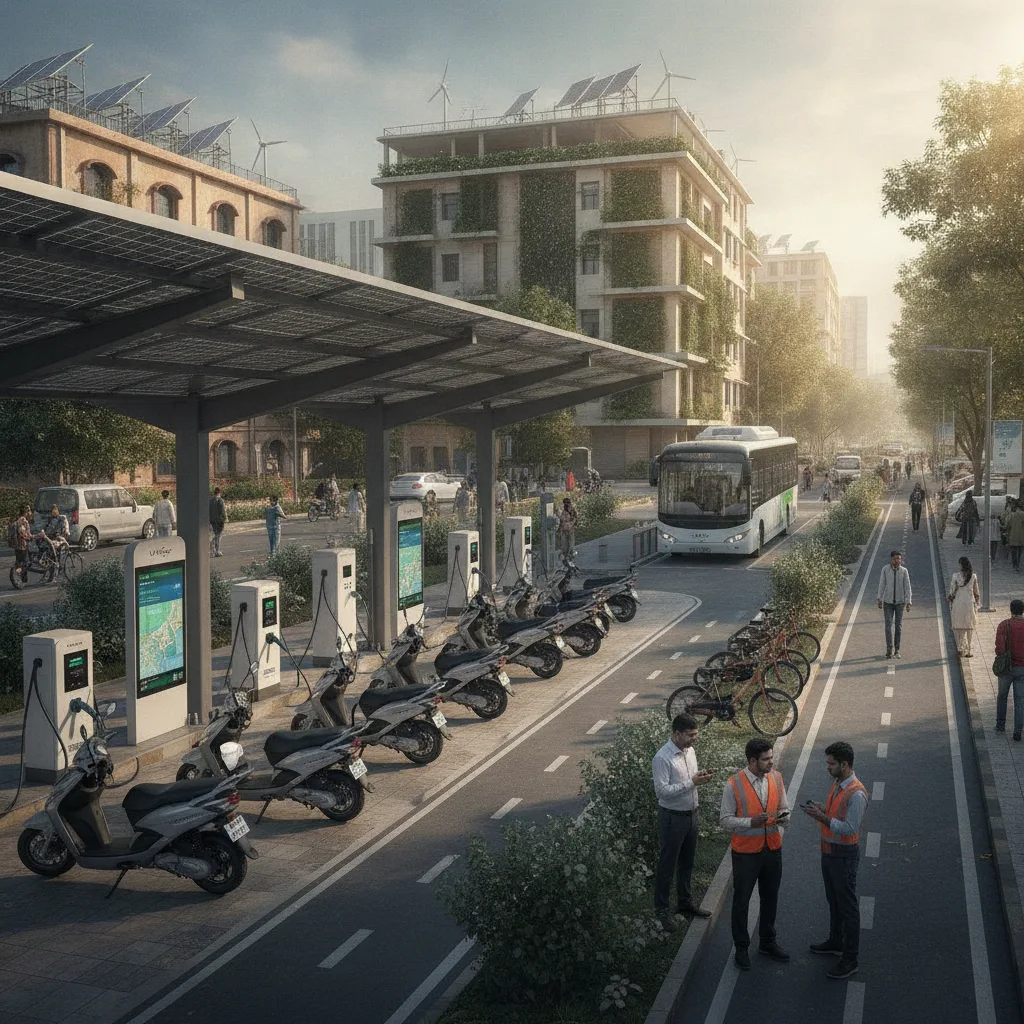
CHENNAI: VinFast, the Vietnamese electric vehicle maker, is betting that selling cars alone won't cut it in the EV race. The company has rolled out a full ecosystem approach, tying together battery leasing, charging networks, and maintenance services into a single package for buyers.
This strategy, detailed in a recent analysis by TheWire.in, shows how automakers are rethinking the business. Instead of just pushing metal, they are building a web of services to keep customers locked in. For VinFast, that means offering a battery subscription model. Buyers pay a monthly fee for the battery instead of buying it outright. The car itself costs less upfront.
The idea is simple: lower the sticker shock. Batteries make up a big chunk of an EV's price. By separating the battery cost, VinFast hopes to pull in more buyers. The company also runs its own charging stations and handles repairs through company-owned shops.
India's EV market is still small but growing fast. Tata Motors leads with cars like the Nexon EV. Ola Electric and Ather Energy dominate two-wheelers. Most players sell vehicles and then rely on third parties for charging. VinFast's model tries to control the whole chain, from sale to charge to service.
That could matter in a price-sensitive market like India. A 2023 survey by the Council on Energy, Environment and Water found that 70% of potential EV buyers worry about battery cost and life. A subscription model might ease that fear. But it also ties the buyer to the company for years. If VinFast pulls out of India, customers could be stuck.
The company is building a factory in Tamil Nadu with a planned capacity of 150,000 cars a year. It has not yet launched in India. But its ecosystem play is already drawing attention from analysts. They say the approach could push rivals to offer similar bundles.
Yet the road is bumpy. VinFast has struggled in its home market and in the US. Its stock has fallen sharply since going public. The company lost $2.4 billion in 2023. Analysts question if it has the cash to build charging networks in India from scratch.
Other companies are watching. Tata Motors already offers a battery warranty for eight years. Ola Electric runs its own charging stations. But no Indian automaker has tried a full battery subscription yet. That may change if VinFast proves the model works.
For now, the EV race in India is about cars. But VinFast's approach suggests the winner will need more, a system that wraps hardware, energy, and service into one seamless offer. The car is just the start.
Comments
Be the first to comment.
Leave a comment